





Asking what is gambling leads straight to three core ingredients: risking something of value, facing an uncertain outcome, and chasing a potential prize. Every wager relies on that exact triangle. Whether you buy a lottery ticket at a corner store or sit at a baccarat table, you exchange guaranteed money for a shot at a bigger return.
Modern betting stretches far beyond noisy casino floors and neon sportsbooks. Today, digital platforms let adults place wagers from a smartphone within seconds. Consequently, knowing how risk, probability, and operator margins interact protects your wallet before you spend a dollar.
Casual players often prefer social formats like online bingo because the pace feels relaxed and predictable. Other enthusiasts gravitate toward fast-moving slots, sports parlays, or competitive poker rooms. Regardless of the format you choose, understanding the hidden math behind every game transforms blind hope into informed entertainment.
What Is Gambling at Its Mathematical Core?
Every commercial gambling product runs on two fundamental numbers: probability and payout. Probability measures how often an event actually happens, whereas payout determines how much the operator rewards you when you win. Casinos generate reliable profit by setting payouts slightly lower than true mathematical odds.
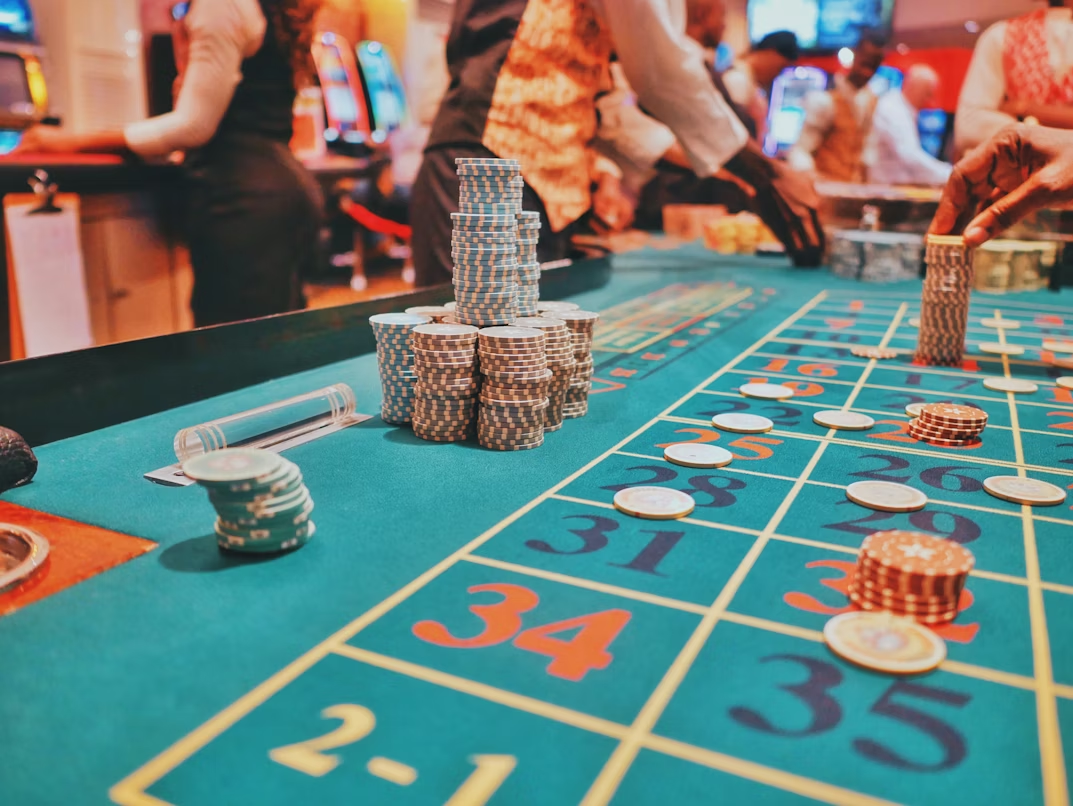
Consider a standard European roulette wheel with 37 numbered pockets. A straight-up bet on a single number carries a 1 in 37 chance of hitting. However, the house pays only 35 to 1 on a winning spin, keeping that small gap as its built-in advantage.
The house edge does not stop you from winning tonight. Instead, it guarantees that across millions of wagers, math always favors the operator.
That built-in margin separates commercial gaming from pure financial investing. While stock investors own productive assets that generate long-term economic value, gamblers trade against negative mathematical expectation. Therefore, treating betting as paid recreation rather than a steady paycheck remains the healthiest mindset any player can adopt.
Pure Chance Versus Skill in Modern Gaming
Not all wagers treat player decisions the same way. Some games lock your fate the instant you press a button, while others reward disciplined study and emotional control. Recognizing where a game sits on the skill spectrum prevents costly misconceptions at the table.
Games of pure chance rely entirely on physical randomness or certified software algorithms. Slot machines, roulette wheels, keno, and scratch cards fall squarely into this category. No betting system, lucky charm, or hot-streak superstition can alter the mathematical outcome of the next spin.
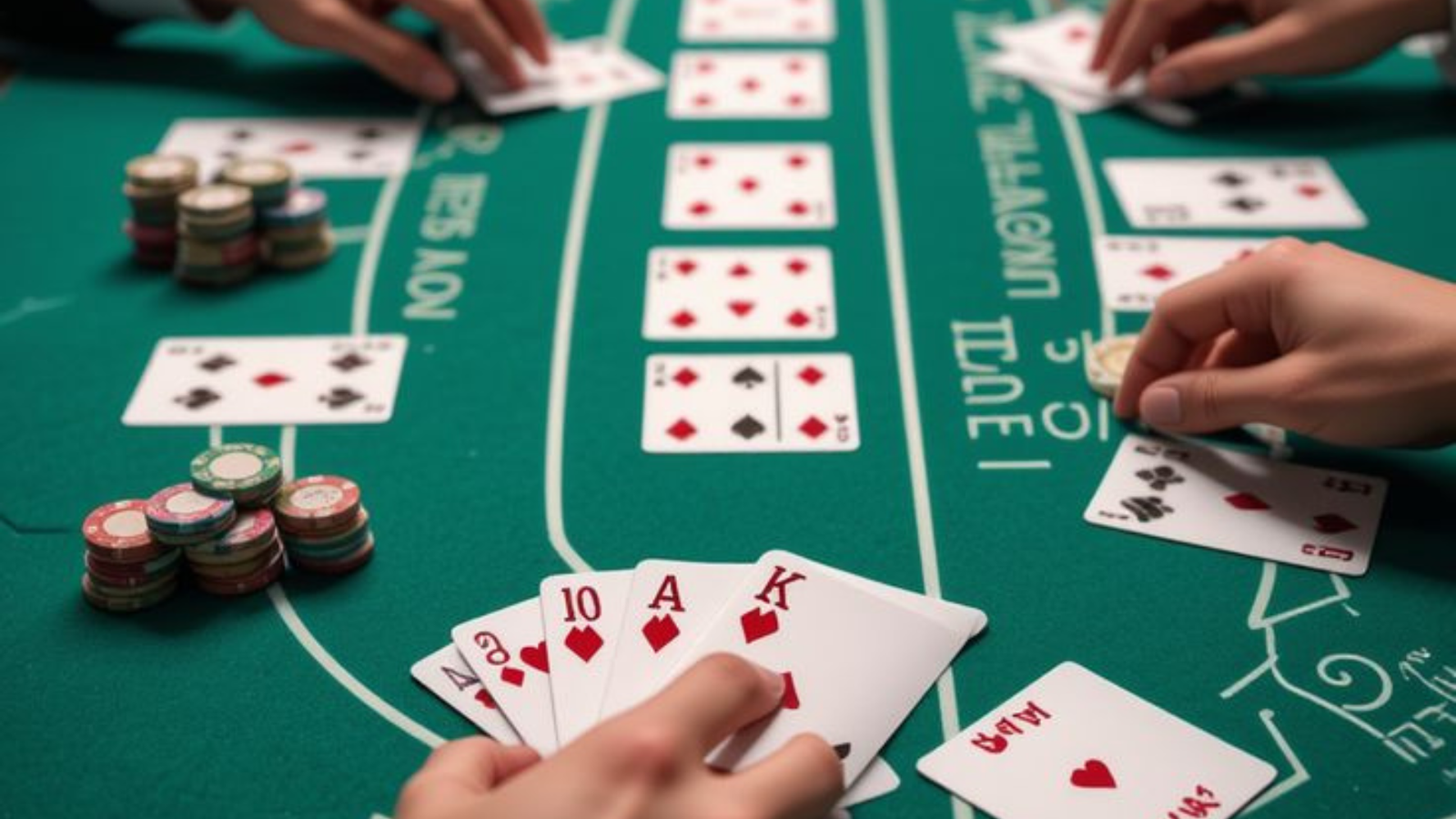
Skill-influenced games introduce human strategy into the equation. Blackjack rewards players who memorize basic strategy charts to trim the house edge below half a percent. Similarly, sports bettors and poker grinders can achieve positive long-term results by outthinking softer opponents and shopping for superior lines.
How Random Number Generators Power Digital Play
Digital casino games in 2026 depend on sophisticated Random Number Generators, commonly called RNGs. These algorithms generate thousands of unpredictable number sequences every millisecond, even when nobody is playing. The exact microsecond you click spin determines which symbols land on your screen.
Independent testing laboratories audit these systems regularly to verify fairness and advertised Return to Player percentages. If an online slot lists a 96 percent RTP, it will return roughly $96 for every $100 wagered over millions of simulated rounds. Nevertheless, short-term variance still produces wild winning streaks and brutal dry spells during a single evening.
Volatility works alongside RTP to shape how a game actually feels during real play. High-volatility slots pay out infrequently yet deliver massive multipliers when bonus rounds finally land. By contrast, low-volatility games award smaller, steadier wins that stretch a modest session bankroll much further.
Understanding What Is Gambling Through 2026 Industry Standards
Regulatory oversight across global gaming markets has tightened dramatically by 2026. Licensed operators must verify player identity, segregate customer funds, and display transparent odds before accepting a single wager. These safeguards protect everyday players from rigged software and delayed withdrawals.
Modern player protection tools have also evolved far beyond fine-print disclaimers. Reputable platforms now build mandatory affordability checks, real-time session timers, and instant deposit caps directly into account dashboards. Accordingly, setting strict guardrails takes less than thirty seconds before you start playing.
Imagine sitting down on a Friday night with a $100 entertainment budget. Emotions escalate fast during a cold streak. Without clear boundaries, chasing a fast loss can tempt you into depositing another $200 within minutes, whereas locking in a weekly deposit limit forces a healthy cool-down period.
Practical Habits That Separate Smart Players From Impulsive Bettors
Understanding what is gambling in theory means nothing unless you apply discipline during live sessions. Experienced recreational gamblers rely on simple routines to keep variance from wrecking their finances. Follow four practical habits every time you decide to wager:
-
Separate your gambling bankroll completely from rent, groceries, and emergency savings so losses never disrupt daily life.
-
Check the published RTP or house edge before playing, skipping high-margin side bets and poorly priced parlays.
-
Set a firm stop-win target alongside a stop-loss limit so lucky surges actually make it back to your bank account.
-
Walk away immediately whenever fatigue, frustration, or alcohol clouds your judgment at the table.
Small adjustments like these dramatically improve your overall experience. Discipline protects your bankroll. Instead of sweating every bad beat, you enjoy the thrill of uncertainty within boundaries you control completely, and knowing when to cash out turns an ordinary evening into a victory.
Recognizing Warning Signs Before Variance Turns Toxic
Even knowledgeable players can slip into unhealthy patterns when stress or boredom strikes. Gambling crosses from harmless fun into dangerous territory the moment you wager money you cannot afford to lose. Watch closely for subtle behavioral red flags during your regular routine.
Chasing losses ranks as the most destructive trap in modern betting. Doubling your stake after a losing hand feels logical in the moment, yet table limits and bankroll ceilings eventually shatter every progression system. Furthermore, hiding betting activity from family members or borrowing funds to keep playing signals an urgent need to step back.
Fortunately, confidential support networks and self-exclusion registries remain free and accessible worldwide in 2026. Taking a voluntary thirty-day break resets your perspective and restores control over your habits. Ultimately, knowing what is gambling allows you to enjoy the excitement responsibly while keeping your financial future completely secure.